An ALTA Survey for Commercial Property With Access, Utility, and Parking Easements
Commercial properties rarely stand alone. Most share a driveway, a utility line, or a row of parking spaces with the property next door. Each of these shared setups depends on something called an easement. If you do not know exactly what an easement allows, you could end up buying a property with limits you did not expect.
An ALTA survey clears this up before you close a deal. It maps every easement tied to the property. It shows exactly how access, utilities, and parking connect to the land by law. For buyers, lenders, and developers working, this protects the value of the deal and how well you can actually use the property.
An ALTA survey is a detailed survey of the land and its boundary lines. It follows a set of national rules used for business real estate deals.
Map Each Easement Against the Commercial Property Boundary
The first checking easements is to map where each one sits compared to the property line. An easement written in a deed can be hard to picture without seeing it drawn out. Small mistakes in reading the words can lead to costly wrong guesses.
An ALTA survey places each recorded easement right onto the property map. It shows the exact spot, width, and how it connects to buildings, parking, and other features. This turns legal writing into a clear picture that everyone in the deal can understand.
- Access easements that connect the property to a public road
- Utility easements that run across or along the property
- Parking easements that affect shared or nearby spaces
Business areas, including spots near big shopping centers and mixed-use buildings, often have properties built with shared systems from the start. Mapping every easement the right way is the first step to knowing what you are really buying.
Confirm How Access Easements Serve the Property
Access easements decide how cars and people can legally reach a commercial property. Checking these rights matters just as much as checking the property line itself. A driveway that looks fully usable during a site visit may actually depend on an access easement with its own rules and limits.
An ALTA survey shows where access easements run, whether they cover the whole property or just part of it, and how they connect to public roads. This helps buyers see if the current access actually fits what the property needs for its planned use.
Ask your title company if any access easements come with upkeep duties, an end date, or limits on how much or what kind of use is allowed. These details affect how reliable that access will be for your business over time.
Identify Utility Easements Across Planned Improvement Areas
Utility easements can affect where you are allowed to build, expand, or make other site changes. Building over an active utility easement can cause conflict with the utility company. It can also make future repairs or upkeep harder.
An ALTA survey finds utility easements and maps them against any spot where you plan to build or improve the site. This matters a lot for redevelopment projects, where a planned addition or a bigger parking lot might overlap with a utility line without anyone noticing.
Check your planned building areas against the mapped utility easements before finishing your design. Ask the utility company if any planned construction near an easement needs extra approval or coordination.
Review Parking Easements and Shared Parking Rights
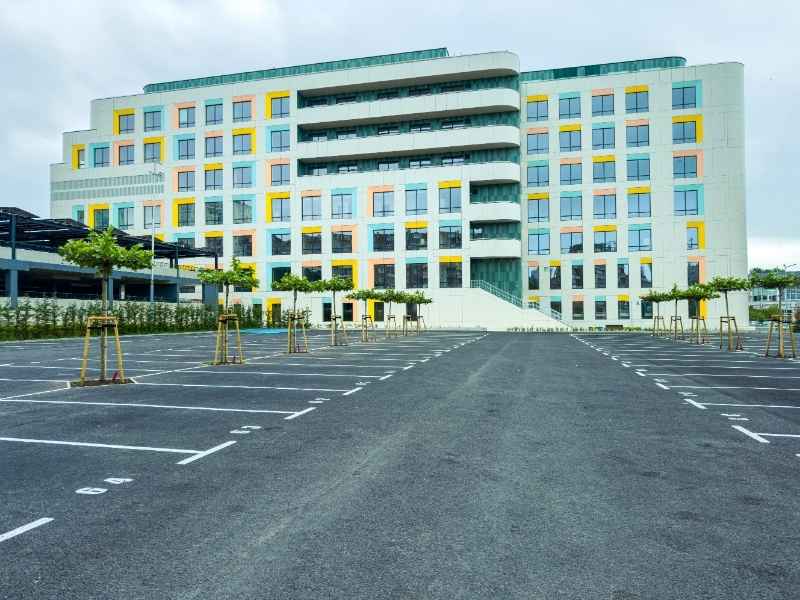
Shared parking setups are common among commercial properties. This is especially true in shopping centers and mixed-use buildings, where more than one business depends on the same lot. These setups usually depend on a parking easement, which sets out who can use which spaces and under what rules.
An ALTA survey maps parking easements and shows how they relate to the property line and the real parking layout. This helps confirm if the number of spaces your property is allowed to use actually matches what the easement says, instead of just what looks open on the ground.
Ask your title company if parking easements include a set number of spaces, use limits, or shared upkeep duties. These terms can affect daily business for a company that depends on having enough parking for customers or tenants.
Evaluate Easement Conflicts Before Closing or Redevelopment
Once every easement has been mapped and checked, the last step is looking for conflicts. This means checking if any easements clash with each other or with your plans for the property. Overlapping easements, unclear wording, or easements that no longer match the real site can all cause problems if left unresolved.
Fixing these conflicts before closing gives you room to negotiate terms, ask the title company for a special note, or walk away from a deal that carries too much risk. Fixing them after closing is much harder and often costs more.
Work together with your surveyor, title company, and lawyer when you look at easement conflicts. Fixing these issues usually needs input from more than one person.