
What Knoxville Homeowners Often Overlook When Building on Sloped Backyard Lots
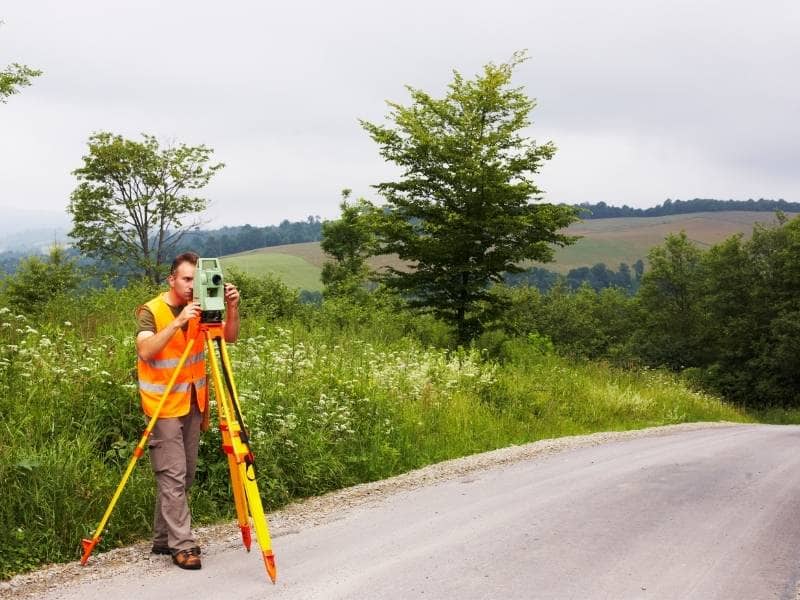
Building on a sloped backyard lot in Knoxville comes with challenges that most homeowners don’t see coming. Land surveying is one step that can save a lot of trouble before any work starts. The hills and uneven ground that make these yards look great can also make construction a lot harder than expected, and finding that out mid-project is never fun.
Why Flat Backyard Plans Do Not Always Work on Sloped Properties
A design that works on a flat lot doesn’t automatically work on a sloped one. When the ground drops several feet from one end of the yard to the other, everything changes. Where a patio goes, where a pool fits, where a garage can sit, all of it gets affected by the slope.
A lot that drops four feet from the house to the back fence isn’t just a visual thing. It changes the entire project. A homeowner planning a simple ground-level patio might end up needing major grading work, a raised deck, or a completely different layout just to make it work. Finding this out before hiring a contractor saves a lot of money and stress.
How Elevation Differences Influence Usable Outdoor Space
A yard that looks big on paper might only have a small flat area where anything can actually be built. Steep grades eat into usable space fast, and that affects every decision a homeowner makes about improvements.
Knowing where the flat areas are, and how much flat space can be created without spending a fortune, changes how a project gets planned. Some yards work better with terraced levels and multi-level decks. Others have one obvious spot that makes sense for everything. Without real elevation data, a homeowner is basically guessing, and guesses on sloped lots tend to get expensive.
Drainage is another thing that comes up here. Grading decisions on sloped lots directly affect where rainwater goes, and getting that wrong after the project is done creates a whole new set of problems.
Why Access for Equipment Can Become a Challenge on Hillside Lots
Getting a concrete truck or excavator to the back of a sloped lot isn’t always easy. Narrow side yards, steep grades, old trees near the fence, and existing structures can all block the path. On a flat lot this rarely matters. On a hillside lot in Knoxville, it’s a real issue.
When equipment can’t get where it needs to go, the crew has to find another way. That usually means more manual labor or a different construction method, and both of those cost more and take longer. Contractors who know about access problems before they show up can plan around them. The ones who find out on day one of the job usually have to revise their quotes.
How Existing Features on Sloped Lots Can Affect Future Additions
Most sloped lots already have things on them before any new project starts. A retaining wall on one side of the yard. A big tree near the back corner. An old shed. A deck built years ago. All of these affect what can be added and where.
A retaining wall that’s already holding back part of the hillside may limit where a new structure can go. A tree with wide roots can rule out digging in that area completely. An old deck might need to come down before a pool or patio can go in nearby. These aren’t always deal-breakers, but they all factor into the plan. Homeowners who don’t think about them early often end up redesigning halfway through the project when the conflicts show up.
Why Accurate Land Surveying Helps Homeowners Make Better Long-Term Decisions
A sloped lot isn’t just a challenge for today’s project. It affects every improvement a homeowner might want to make over the next 10 or 20 years. An outdoor kitchen now, a workshop later, a bigger entertaining area after that. All of those plans connect back to the same piece of land.
Land surveying captures elevation data, boundary lines and the positions of existing features in a way that a visual walkthrough of the yard can’t. That information helps homeowners plan projects that work together over time, instead of creating new problems with each addition. On a Knoxville hillside property, that kind of solid baseline makes a real difference, not just for the first project, but for every one that comes after it.
FAQs
Why are sloped backyard lots different from flat lots?
Sloped lots create real challenges with layout, equipment access and where structures can go. Flat lots don’t have those same issues.
Can elevation changes affect backyard construction plans?
Yes. Even a moderate slope can change where things can be built, how much grading is needed, and what the finished project looks like.
Why is equipment access important for hillside projects?
When heavy equipment can’t reach the work area, crews use other methods that cost more and take longer, which affects the budget and schedule.
Do existing retaining walls and trees impact future improvements?
Yes. Retaining walls and tree roots both affect where new structures can go, and ignoring them early leads to redesigns later.
How does land surveying help with backyard projects on sloped lots?
It gives homeowners accurate elevation data and boundary information so they can plan improvements with real numbers, not estimates.